Description
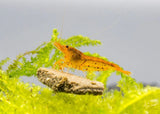
Rhynchocinetes durbanensis, commonly known as the Red Dancing Shrimp, is a captivating marine invertebrate native to the Indo-Pacific region. Celebrated for its vivid red body with white banding and dynamic “dancing” movements, this species brings both color and activity to reef aquariums. Peaceful and reef-safe, it thrives in well-maintained marine setups, providing aquarists with a visually engaging and interactive tank inhabitant.
Features of Rhynchocinetes Durbanensis
-
Bright red body with distinctive white or translucent banding along the carapace and appendages
-
Slender, agile form, reaching 3–5 cm as adults
-
Peaceful and non-aggressive, suitable for reef and community tanks
-
Constantly active, performing signature “dancing” movements
-
Sensitive to water quality and salinity fluctuations
-
Lifespan of 2–3 years under optimal conditions
The best aquarium size for Rhynchocinetes Durbanensis
A minimum tank volume of 80 litres is recommended for a single individual. Larger tanks of 120 litres or more are ideal when keeping small colonies, as they provide more swimming space, territory, and stable water conditions. Tanks with a longer footprint help reduce stress and allow natural movement.
Tank Mate Compatibility for Rhynchocinetes Durbanensis
This species is reef-safe and compatible with small, non-aggressive tank mates:
-
Clownfish
-
Gobies
-
Blennies
-
Small Wrasses
-
Reef-safe Snails
Diet for Rhynchocinetes Durbanensis
Rhynchocinetes durbanensis is omnivorous, grazing on biofilm, detritus, and small meaty foods. In captivity, it accepts high-quality marine shrimp pellets, frozen mysis shrimp, brine shrimp, and finely chopped seafood. Feeding small portions 1–2 times daily maintains water quality while supporting healthy growth and coloration.
Aquarium Setup Rhynchocinetes Durbanensis
Aquarium Filtration
Strong biological and mechanical filtration is essential to maintain pristine water. Protein skimmers, live rock, and refugiums contribute to clean water and provide grazing surfaces for the shrimp.
Aquarium Plants / Macroalgae
Macroalgae such as Chaetomorpha can be included to promote grazing and nutrient control. Live rock formations remain the primary shelter and grazing substrate.
Aquarium Lighting
Moderate to strong lighting enhances the shrimp’s red coloration and encourages algae and biofilm growth, providing natural food sources. Adjustable LED reef lighting is recommended.
Aquarium Heating
Maintain stable temperatures between 24–27 °C using a reliable heater with precise thermostat control. Sudden fluctuations should be avoided to prevent stress.
Aquarium Substrate
Fine sand or crushed coral substrate replicates natural reef conditions, supports foraging, and allows natural movement around crevices.
Aquarium Decorations
Incorporate live rock, coral fragments, and crevices to provide hiding spaces, grazing surfaces, and territories. Open swimming areas should be maintained to allow the shrimp’s active, dancing behavior and ensure a natural reef-like environment.