Description
Cuckoo Catfish - Synodontis petricola - Pink
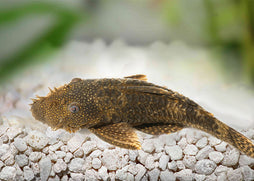
The Pink Synodontis Petricola, commonly known as the Pink Cuckoo Catfish, is a rare and eye-catching variation of the popular Lake Tanganyika catfish species. Valued for its soft pink tones, contrasting spotted patterning, and active schooling behaviour, this unique freshwater catfish adds both movement and personality to African cichlid aquariums. Its peaceful yet energetic nature makes it an excellent bottom-dwelling companion for Tanganyikan community setups and larger freshwater displays.
Features of Cuckoo Catfish - Synodontis petricola - Pink
-
Unique pink-toned body with contrasting spotted markings
-
Active and social freshwater catfish species
-
Grows to approximately 10–12 cm in captivity
-
Peaceful temperament suitable for African cichlid aquariums
-
Nocturnal and highly active during feeding times
-
Hardy species ideal for intermediate aquarists
-
Best kept in small groups for natural behaviour
The best aquarium size for Cuckoo Catfish - Synodontis petricola - Pink
The Pink Synodontis Petricola thrives in aquariums with a minimum volume of 200 litres, especially when kept in groups. Larger aquariums provide more territory, reduce stress, and encourage natural schooling and hiding behaviours.
Tank Mate Compatibility for Cuckoo Catfish - Synodontis petricola - Pink
The Pink Cuckoo Catfish is compatible with many African cichlid species and other peaceful freshwater fish, including:
-
Frontosa Cichlid
-
Electric Yellow Cichlid
-
Brichardi Cichlid
-
Featherfin Synodontis
-
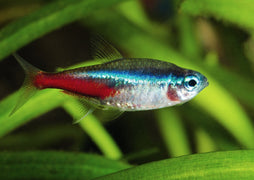
Congo Tetra
Avoid highly aggressive cichlids or predatory fish that may harass smaller catfish species.
Diet for Cuckoo Catfish - Synodontis petricola - Pink
The Pink Synodontis Petricola is an omnivorous scavenger that thrives on a varied diet. Offer high-quality sinking pellets and catfish wafers as staple foods, supplemented with frozen bloodworm, brine shrimp, and occasional vegetable matter.
Feeding after lights dim can encourage more natural feeding behaviour, as this species is most active during evening hours.
Aquarium Setup Cuckoo Catfish - Synodontis petricola - Pink
Aquarium Filtration
Strong biological filtration with excellent oxygenation is recommended to maintain clean and stable water conditions.
Aquarium Plants
Hardy plants such as Anubias and Java Fern can be incorporated, though rocky Tanganyikan setups are generally preferred.
Aquarium Lighting
Moderate lighting works best, with shaded hiding areas helping the fish feel secure during daylight hours.
Aquarium Heating
A reliable aquarium heater should maintain stable temperatures between 22–28 °C.
Aquarium Substrate
Fine sand or smooth gravel substrate is ideal, allowing comfortable bottom-dwelling and natural scavenging behaviour.
Aquarium Decorations
Use rock formations, caves, driftwood, and shaded crevices to create secure hiding areas and territorial boundaries. Open swimming areas should also be maintained for active group movement.