Description
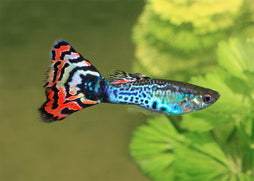
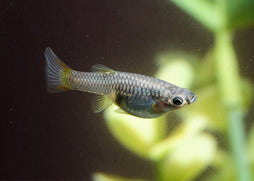
Guppy Blue Tail Female is a graceful and hardy freshwater livebearer, admired for its soft colouration and active yet peaceful nature. While females are less vividly coloured than males, this variety displays attractive blue hues through the tail fin, adding subtle beauty and balance to any community aquarium. Known for their resilience and ease of care, female guppies are ideal for both beginner and experienced aquarists, particularly in breeding groups or mixed community setups.
Features of Guppy Blue Tail Female
• Subtle blue tail colouration with a silver-grey body
• Grows to approximately 4–6 cm
• Peaceful and highly social species
• Hardy and adaptable to a range of conditions
• Lifespan of 2–3 years with proper care
The best aquarium size for Guppy Blue Tail Female
A minimum aquarium size of 40 litres is suitable for a small group, though 60 litres or more is recommended for improved stability and social interaction. Guppies thrive in groups and should be kept in numbers to encourage natural behaviour. Provide a mix of open swimming space and planted areas for comfort and security.
Tank Mate Compatibility for Guppy Blue Tail Female
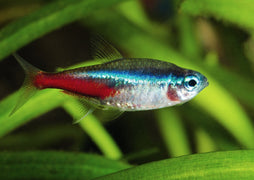
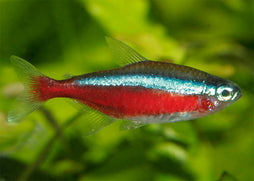
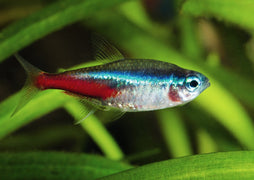
• Neon Tetra
• Corydoras Catfish
• Platy
• Molly
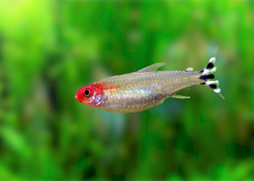
• Harlequin Rasbora
Diet for Guppy Blue Tail Female
Guppy Blue Tail Female is an omnivore that requires a varied and balanced diet. Offer high-quality flake or micro pellet food as a staple, supplemented with live or frozen foods such as brine shrimp, daphnia, and micro worms. Occasional plant-based foods like spirulina flakes support digestion and overall health. Feed small amounts 1–2 times daily.
Aquarium Setup Guppy Blue Tail Female
Aquarium Filtration
Gentle filtration is recommended, as guppies prefer calm water flow. A sponge filter or low-flow internal filter works well to maintain water quality without stressing the fish.
Aquarium Plants
Live plants are highly beneficial. Dense planting with species such as Java moss, Guppy grass, and water sprite provides shelter, especially for fry.
Aquarium Lighting
Moderate lighting supports plant growth and enhances the subtle blue tones of the tail.
Aquarium Heating
Maintain water temperature between 22–28°C using a reliable aquarium heater to ensure consistency.
Aquarium Substrate
Fine gravel or sand substrate is suitable, contributing to a natural and clean aesthetic.
Aquarium Decorations
Include plants, driftwood, and minimal hardscape to create hiding areas while maintaining open swimming zones.