Description
Scaturiginichthys vermeilipinnis
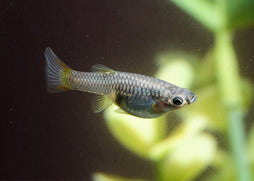
Scaturiginichthys vermeilipinnis, commonly known as the Red-Finned Blue-Eye, is one of Australia's most unique and sought-after native freshwater fish species. Endemic to a small region of artesian springs in central Queensland, this tiny fish is admired for its vibrant red fins, shimmering blue eyes, and peaceful nature. Its rarity in the wild and distinctive appearance make it a prized addition to specialised nano aquariums and native Australian fish collections. Despite its delicate appearance, Scaturiginichthys vermeilipinnis can thrive in captivity when provided with stable water conditions and a carefully maintained environment.
Features of Scaturiginichthys vermeilipinnis
-
Rare Australian native freshwater fish
-
Brilliant red fins contrasted by striking blue eyes
-
Adult size typically reaches 2–3 cm
-
Peaceful temperament suitable for species-focused aquariums
-
Ideal for nano and planted aquarium setups
-
Displays fascinating schooling and courtship behaviours
-
Best maintained in groups for natural social interaction
-
Highly sought after by collectors of Australian native fish
The Best Aquarium Size for Scaturiginichthys vermeilipinnis
A minimum aquarium volume of 40 litres is suitable for a small group of Scaturiginichthys vermeilipinnis. As a social species, they should be kept in groups of at least six individuals to encourage confidence and natural behaviour. Larger aquariums with dense planting provide additional security and help maintain stable water parameters. Water temperatures between 22–28°C and a pH range of 6.8–8.0 are generally well tolerated.
Tank Mate Compatibility for Scaturiginichthys vermeilipinnis
Suitable tank mates include:
-
Pacific Blue-Eye
-
Pygmy Perch
-
Threadfin Rainbowfish
-
Dwarf Rainbowfish
-
Empire Gudgeon
Due to their small size, avoid housing them with larger or aggressive fish species that may outcompete them for food or view them as prey.
Diet for Scaturiginichthys vermeilipinnis
Scaturiginichthys vermeilipinnis is a micro-predator that feeds on tiny aquatic invertebrates in its natural habitat. In the aquarium, they readily accept quality micro pellets, crushed flakes, and small frozen foods such as baby brine shrimp, cyclops, and daphnia. Live foods can be offered regularly to promote vibrant colouration, breeding activity, and overall health. Frequent feeding of small portions is preferable to larger single meals.
Aquarium Setup Scaturiginichthys vermeilipinnis
Aquarium Filtration
Gentle filtration is recommended to maintain excellent water quality without creating excessive current. Sponge filters are particularly effective for nano aquarium environments.
Aquarium Plants
Dense planting is highly beneficial and provides shelter, security, and breeding sites. Fine-leaved plants, mosses, and floating vegetation help replicate their natural habitat.
Aquarium Lighting
Moderate lighting supports healthy plant growth and enhances the vibrant red and blue colouration of this species.
Aquarium Heating
A reliable aquarium heater should be used where necessary to maintain a stable temperature between 22–28°C.
Aquarium Substrate
Fine sand or small natural gravel creates a natural appearance and supports the growth of beneficial microorganisms.
Aquarium Decorations
Driftwood, leaf litter, rock features, and heavily planted areas create an environment that closely resembles the artesian spring habitats from which this remarkable species originates. Open swimming areas should also be provided to allow natural schooling behaviour.