Description
Sucking Catfish Shortbody Golden
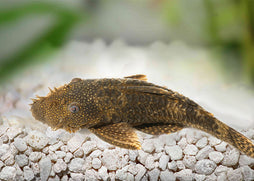
The Shortbody Golden Sucking Catfish is a striking freshwater algae-eating fish valued for its vibrant golden coloration, compact body shape, and hardworking nature within the aquarium. This unique variant combines the practical benefits of a traditional sucking catfish with an eye-catching appearance that stands out in community and larger tropical aquariums. Known for its ability to graze on algae and biofilm, the Shortbody Golden Sucking Catfish spends much of its time attached to glass, rocks, driftwood, and other surfaces. Its peaceful temperament and active behaviour make it a popular addition to well-maintained freshwater setups.
Features of Sucking Catfish Shortbody Golden
- Distinctive golden-yellow colouration
- Compact shortbody form with strong sucker mouth
- Effective algae and biofilm grazer
- Adult size typically reaches 12–18 cm
- Peaceful temperament towards most tank mates
- Active throughout the day and night
- Suitable for larger tropical community aquariums
- Constantly explores aquarium surfaces and decorations
The Best Aquarium Size for Sucking Catfish Shortbody Golden
A minimum aquarium volume of 200 litres is recommended for a Shortbody Golden Sucking Catfish. While juveniles can be housed in smaller aquariums temporarily, adults require adequate swimming space and access to multiple surfaces for grazing. Stable water conditions are important, with temperatures maintained between 24–28°C and a pH range of 6.5–7.8. Good water movement and high oxygen levels will help support long-term health.
Tank Mate Compatibility for Sucking Catfish Shortbody Golden
Suitable tank mates include:
- Pearl Gourami
- Congo Tetra
- Rainbow Shark
- Boesemani Rainbowfish
- Angelfish
Avoid keeping them with highly aggressive species that may compete for territory or harass slower-moving fish.
Diet for Sucking Catfish Shortbody Golden
Although often considered an algae eater, the Shortbody Golden Sucking Catfish requires a varied diet to remain healthy. High-quality algae wafers and sinking pellets should form the foundation of its feeding routine. Supplementary foods such as blanched zucchini, cucumber, spinach, and spirulina-based foods are highly beneficial. Occasional protein-rich foods, including bloodworms and sinking carnivore pellets, can be offered in moderation to support growth and condition.
Aquarium Setup Sucking Catfish Shortbody Golden
Aquarium Filtration
Strong biological and mechanical filtration is essential due to the species' active nature and waste production. A quality canister filter provides excellent water quality and circulation.
Aquarium Plants
Hardy plants such as Anubias, Java Fern, and Vallisneria are suitable choices. Ensure plants are securely anchored, as larger individuals may occasionally disturb delicate species.
Aquarium Lighting
Moderate lighting is ideal and encourages natural algae growth, providing an additional grazing surface for the fish.
Aquarium Heating
A reliable aquarium heater should maintain a stable temperature between 24–28°C throughout the year.
Aquarium Substrate
Smooth gravel or fine sand substrate works well and reduces the risk of injury while the fish searches for food along the aquarium floor.
Aquarium Decorations
Provide plenty of driftwood, rocks, caves, and other hard surfaces for grazing and shelter. Driftwood is particularly beneficial as it encourages biofilm growth and creates a more natural environment for this attractive algae-eating species.