Description
Lethrinops Red Capuz
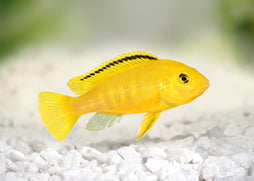
The Lethrinops Red Capuz is a beautiful Lake Malawi cichlid renowned for its vibrant breeding colours, elegant body shape and peaceful nature compared to many other African cichlids. Mature males develop stunning red and orange colouration across the head and upper body, contrasting with iridescent blue highlights, while females remain a more subdued silver-grey. Naturally inhabiting sandy areas of Lake Malawi, this species is a sand-sifting cichlid that displays fascinating natural behaviours. The Lethrinops Red Capuz is an excellent choice for aquarists seeking a colourful yet relatively peaceful African cichlid for a spacious Malawi aquarium.
Features of Lethrinops Red Capuz
-
Scientific name: Lethrinops sp. 'Red Capuz'
-
Commonly known as Lethrinops Red Capuz
-
Native to Lake Malawi, Africa
-
Adult size: up to 18 cm
-
Peaceful Haplochromine cichlid
-
Males develop brilliant red, orange and blue breeding colours
-
Females display attractive silver-grey colouring
-
Sand-sifting species with interesting natural behaviour
-
Lifespan of approximately 8–10 years with proper care
The best aquarium size for Lethrinops Red Capuz
A minimum aquarium volume of 300 litres is recommended for a small group. Keeping one male with several females helps reduce aggression and encourages natural social behaviour. Maintain a water temperature between 24–27°C, a pH of 7.8–8.6 and moderately hard to hard water to replicate the conditions found in Lake Malawi.
Tank Mate Compatibility for Lethrinops Red Capuz
Suitable tank mates include:
-
Blue Dolphin Cichlid
-
Red Empress Cichlid
-
Sunshine Peacock Cichlid
-
Placidochromis Electra
-
Rusty Cichlid
Avoid highly aggressive Mbuna species that may outcompete or harass this more peaceful cichlid.
Diet for Lethrinops Red Capuz
Lethrinops Red Capuz are omnivores that naturally sift through sand in search of small invertebrates and organic matter. In the aquarium, feed a high-quality African cichlid pellet as the staple diet, supplemented with spirulina-based foods, frozen mysis shrimp, brine shrimp and daphnia. Feed two to three small meals daily to promote healthy growth, vibrant colouration and natural foraging behaviour while avoiding overfeeding.
Aquarium Setup Lethrinops Red Capuz
Aquarium Filtration
Use a high-quality filtration system capable of handling the waste produced by African cichlids. Strong biological filtration and regular water changes are essential for maintaining excellent water quality.
Aquarium Plants
Plants are generally not required, although hardy species attached to rocks can be included if desired. Secure all plants well, as occasional digging may occur.
Aquarium Lighting
Moderate LED lighting enhances the vivid breeding colours of mature males while creating an attractive natural display.
Aquarium Heating
Maintain a stable water temperature between 24–27°C using a reliable aquarium heater with sufficient capacity for the aquarium volume.
Aquarium Substrate
A fine sand substrate is essential, allowing Lethrinops Red Capuz to display their natural sand-sifting feeding behaviour without risk of injury.
Aquarium Decorations
Decorate with open sandy areas, scattered rock formations and a few caves to provide shelter while preserving ample swimming and foraging space. A layout that mimics the sandy habitats of Lake Malawi encourages natural behaviour and reduces territorial disputes.