Description
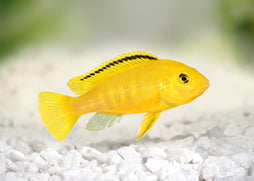
Callochromis macrops is an elegant and highly specialised cichlid from Lake Tanganyika, admired for its elongated body, graceful swimming style, and shimmering coloration. Known for its sand-sifting behaviour and active temperament, this species is best suited to experienced aquarists who can replicate its natural environment. Its unique morphology and constant activity make it a captivating centrepiece in a well-structured Tanganyikan aquarium.
Features of Callochromis Macrops
-
Slender, elongated body adapted for open-water and sand-sifting
-
Males display iridescent hues, often with blue, green, or golden tones
-
Females are more subdued, typically silver-grey
-
Adult size ranges from 13–15 cm
-
Active and constantly foraging in substrate
-
Moderate temperament with territorial tendencies during breeding
-
Lifespan of approximately 8–10 years
The best aquarium size for Callochromis Macrops
A minimum aquarium volume of 250 litres is required for a small group, though 300 litres or more is strongly recommended to accommodate their active nature. A tank length of at least 120 cm ensures adequate horizontal swimming space, which is essential for their natural behaviour and social dynamics.
Tank Mate Compatibility for Callochromis Macrops
Tank mates should be peaceful to moderately active Tanganyikan species that occupy different niches:
-
Cyprichromis (Sardine Cichlid)
-
Xenotilapia (Sand Cichlid)
-
Julidochromis (Julie Cichlid)
-
Brichardi (Fairy Cichlid)
-
Synodontis Catfish
Diet for Callochromis Macrops
Callochromis macrops is a micro-predator that feeds by sifting sand for small invertebrates. In captivity, it thrives on a varied diet of high-quality sinking pellets, supplemented with frozen foods such as cyclops, daphnia, and brine shrimp. Fine particulate foods are especially beneficial, reflecting their natural feeding strategy. Feeding should be moderate and consistent to avoid water quality issues.
Aquarium Setup Callochromis Macrops
Aquarium Filtration
Strong biological and mechanical filtration is essential, with a turnover rate of 5–6 times the tank volume per hour. Clean, oxygen-rich water is critical for long-term health.
Aquarium Plants
Plants are not essential and are rarely present in their natural habitat. If included, choose hardy species that tolerate sandy substrates.
Aquarium Lighting
Moderate lighting is ideal, highlighting the fish’s natural colours without causing stress. Adjustable LED lighting works well.
Aquarium Heating
Maintain water temperatures between 24–27 °C using a reliable heater with stable thermostat control.
Aquarium Substrate
Fine, soft sand is mandatory, as this species constantly sifts substrate for food. Coarse gravel should be avoided to prevent injury.
Aquarium Decorations
Minimal decorations are recommended. Open sandy areas are crucial, with occasional rocks placed along tank edges to provide structure without restricting movement.