Description
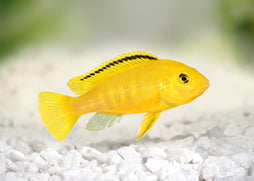
Mdoka White Lips is a visually striking cichlid from Lake Malawi, named for the distinctive pale coloration around its mouth. This species exhibits both elegance and moderate activity, making it appealing for aquarists interested in colorful, yet peaceful, African cichlids. Its natural behavior includes open-water swimming and occasional territorial displays, which can be supported by carefully structured aquariums that balance open space and shelter.
Features of Mdoka White Lips
-
Prominent white or pale lips contrasting with a deep blue or silver body
-
Elongated, streamlined body shape adapted for mid- to open-water swimming
-
Males display brighter coloration and slightly larger size than females
-
Adult size typically ranges from 12–15 cm
-
Moderately active, exhibiting peaceful behaviour with conspecifics
-
Lifespan of 7–9 years under optimal conditions
The best aquarium size for Mdoka White Lips
A minimum tank volume of 250 litres is recommended for a small group, providing adequate swimming space. Larger aquariums of 300–350 litres are preferred when maintaining multiple males or mixed-species communities. Tank length of at least 120 cm supports natural cruising patterns and reduces territorial aggression.
Tank Mate Compatibility for Mdoka White Lips
Suitable companions should be calm or moderately active Malawi cichlids:
-
Blue Dolphin Cichlid
-
Rusty Cichlid
-
Yellow Lab Cichlid
-
Red Zebra Cichlid
-
Sunshine Peacock Cichlid
Diet for Mdoka White Lips
Mdoka White Lips are omnivorous, with a preference for protein-rich foods complemented by plant matter. Their diet includes high-quality cichlid flakes or pellets, supplemented with frozen or live foods such as mysis shrimp, brine shrimp, and daphnia. Occasional vegetable matter, like spirulina or blanched spinach, supports digestion and overall health. Avoid overfeeding to maintain water quality and prevent obesity.
Aquarium Setup Mdoka White Lips
Aquarium Filtration
Strong mechanical and biological filtration is essential. A turnover rate of 5–6 times the tank volume per hour ensures clean, well-oxygenated water. Canister or external filters are ideal.
Aquarium Plants
Plants are optional but can include hardy species like Vallisneria or Anubias. Placement should allow open swimming zones.
Aquarium Lighting
Moderate lighting enhances coloration without inducing stress. Adjustable LED systems are recommended for natural effects.
Aquarium Heating
Maintain stable temperatures between 24–27 °C using a reliable heater with thermostat control.
Aquarium Substrate
Fine sand substrate replicates natural conditions, supporting foraging behaviour and reducing injury risk.
Aquarium Decorations
Incorporate rock caves and ledges to provide shelter and territories while keeping ample open areas for swimming and display.