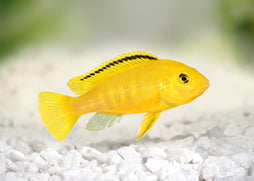
Description
Xystichromis phytophagus is a colorful cichlid endemic to Lake Malawi, recognized for its vibrant blue hues and peaceful temperament compared to other mbuna species. This mid-water dweller is highly active, displaying both social schooling behavior and territorial tendencies during breeding. Its adaptability to well-structured aquariums, combined with striking coloration, makes it a popular choice for cichlid enthusiasts seeking a visually dynamic yet manageable species.
Features of Xystichromis Phytophagus
-
Brilliant electric blue body with subtle iridescent highlights
-
Streamlined, elongated shape suited for open-water swimming
-
Adult size typically ranges from 12–15 cm
-
Peaceful to moderately territorial, especially males during breeding
-
Active and constantly swimming in mid-level water
-
Sexual dimorphism: males exhibit brighter coloration and slightly larger size
-
Lifespan of 7–9 years under optimal conditions
The best aquarium size for Xystichromis Phytophagus
A minimum aquarium volume of 250 litres is recommended for a small group of 5–6 individuals. Larger tanks of 300–350 litres or more are preferred when keeping multiple males or mixed-species communities. Tank length of at least 120 cm is essential to support natural swimming patterns and reduce aggression.
Tank Mate Compatibility for Xystichromis Phytophagus
Compatible companions should occupy different water zones or be similarly peaceful Malawi cichlids:
-
Yellow Lab Cichlid
-
Rusty Cichlid
-
Red Zebra Cichlid
-
Blue Dolphin Cichlid
-
Sunshine Peacock Cichlid
Diet for Xystichromis Phytophagus
Xystichromis phytophagus is primarily herbivorous but benefits from a varied diet. High-quality cichlid flakes or pellets should form the staple, supplemented with vegetable matter such as spirulina, blanched spinach, or peas. Occasional protein-rich foods like brine shrimp or daphnia support growth and breeding, while avoiding overfeeding preserves water quality.
Aquarium Setup Xystichromis Phytophagus
Aquarium Filtration
Robust mechanical and biological filtration is essential, with a turnover rate of 5–6 times the tank volume per hour. Canister or external filters are ideal for maintaining clean water and reducing stress.
Aquarium Plants
Hardy, non-delicate plants such as Vallisneria or Anubias can be used, though open swimming areas are more critical for this active species.
Aquarium Lighting
Moderate lighting enhances coloration without causing stress. Adjustable LED systems provide natural-looking illumination.
Aquarium Heating
Maintain stable temperatures between 24–27 °C using a reliable heater with precise thermostat control.
Aquarium Substrate
Fine sand substrate is recommended, allowing natural digging and foraging behaviors. Avoid sharp gravel that could injure the fish.
Aquarium Decorations
Rock formations and caves provide shelter, territorial boundaries, and breeding sites while leaving ample open areas for swimming and display.