Description
Neolamprologus Ocellatus Gold
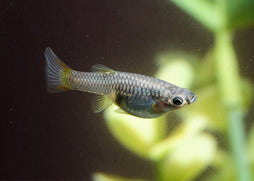
Neolamprologus Ocellatus Gold is a striking Tanganyikan shell-dwelling cichlid recognised for its bright golden-yellow colouration, compact body and fascinating territorial behaviour. Native to Lake Tanganyika, this small but confident species spends much of its time around empty snail shells, which provide shelter, breeding sites and secure territories. Its manageable size makes it an excellent choice for carefully planned Tanganyika aquariums.
Features of Neolamprologus Ocellatus Gold
-
Bright golden-yellow body colouration
-
Shell-dwelling cichlid from Lake Tanganyika
-
Reaches approximately 5–6 cm in length
-
Highly active and confident despite its small size
-
Territorial, particularly when defending shells and breeding areas
-
Best maintained with suitable shell-dwelling cichlids
-
Requires hard, alkaline water with excellent water quality
The best aquarium size for Neolamprologus Ocellatus Gold
A minimum aquarium size of 60 litres is suitable for a carefully planned pair, while larger aquariums are recommended for groups or community setups. Provide numerous shells across an open sandy area, allowing each fish to establish a territory with sufficient separation from neighbouring shells.
Tank Mate Compatibility for Neolamprologus Ocellatus Gold
Neolamprologus Ocellatus Gold can be territorial despite its small size, so tank mates should be selected carefully. Suitable species include:
Avoid housing them with overly aggressive species or fish that may compete directly for their shells.
Diet for Neolamprologus Ocellatus Gold
Offer a high-quality sinking cichlid pellet or granule as the staple food, supplemented with frozen foods such as brine shrimp and mysis shrimp. Small portions should be provided regularly to suit their compact size. A varied diet supports healthy growth, colouration and breeding condition.
Aquarium Setup Neolamprologus Ocellatus Gold
Aquarium Filtration
Use efficient mechanical and biological filtration to maintain exceptionally clean, well-oxygenated water. Regular partial water changes are important for maintaining stable conditions.
Aquarium Plants
Plants are optional and are not essential to the natural setup. Hardy plants can be included if desired, provided they do not reduce the available open sand area.
Aquarium Lighting
Moderate lighting is suitable and can highlight the vibrant gold colouration of these cichlids. Provide some shaded areas around hardscape and shells.
Aquarium Heating
Maintain a stable temperature of approximately 24–27°C. Avoid sudden changes in temperature or water chemistry.
Aquarium Substrate
Fine, pale sand is ideal for replicating the natural Lake Tanganyika environment. It also allows the fish to dig and rearrange substrate around their shells.
Aquarium Decorations
Provide multiple clean, appropriately sized snail shells distributed across the sandy substrate. Add carefully positioned rocks to create boundaries and visual barriers, while ensuring decorations are stable and cannot collapse during digging.