Description
Tiger Barb Green - Longfin
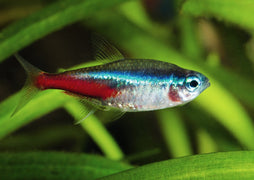
The Green Longfin Tiger Barb is a selectively bred freshwater schooling fish known for its vivid green-gold sheen, bold black vertical barring, and elegantly extended fins. This striking variety of the classic tiger barb brings a more refined and flowing appearance to the aquarium while retaining the energetic personality the species is famous for. Its shimmering green tones intensify under good lighting, making it a dynamic feature in planted community aquariums.
Features of Tiger Barb Green - Longfin
-
Iridescent green-gold body with classic tiger-style vertical stripes
-
Long, flowing fins developed through selective breeding
-
Highly active and energetic schooling fish
-
Grows to approximately 6–7 cm
-
Best kept in groups to reduce fin-nipping behaviour
-
Mid-water swimmer with constant movement
-
Hardy and adaptable freshwater species
The best aquarium size for Tiger Barb Green - Longfin
The Green Longfin Tiger Barb thrives in aquariums with a minimum volume of 100 litres to accommodate its active schooling behaviour. Larger aquariums are strongly recommended for groups of 8 or more, as this reduces aggression and encourages natural shoaling dynamics.
Maintain water temperatures between 22–26 °C, a pH range of 6.0–7.5, and moderate water hardness. Stable, well-oxygenated water is essential to support their high activity levels and overall health.
Tank Mate Compatibility for Tiger Barb Green - Longfin
The Green Longfin Tiger Barb is best housed with fast-moving, similarly robust species that can handle its energetic behaviour, including:
-
Zebra Danio
-
Harlequin Rasbora
-
Corydoras Catfish
-
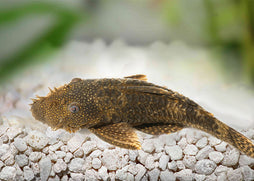
Bristlenose Pleco
-
Pearl Gourami
Avoid slow-moving fish or species with long flowing fins, as tiger barbs may nip and stress more delicate tank mates.
Diet for Tiger Barb Green - Longfin
The Green Longfin Tiger Barb is an omnivorous and enthusiastic feeder. Offer high-quality flake foods and micro pellets as a staple diet, supplemented with frozen or live foods such as brine shrimp, daphnia, and bloodworm to enhance colour and condition.
A varied diet supports strong schooling behaviour, vibrant colouration, and long-term health. Feed small portions once or twice daily to prevent overfeeding and maintain water quality.
Aquarium Setup Tiger Barb Green - Longfin
Aquarium Filtration
Strong, efficient filtration with moderate flow is recommended to maintain excellent oxygenation and clean water conditions suited to active schooling fish.
Aquarium Plants
Hardy plants such as Java Fern, Vallisneria, and Anubias provide cover while allowing open swimming space for schooling activity.
Aquarium Lighting
Moderate lighting enhances the green iridescence and encourages natural plant growth within the aquarium.
Aquarium Heating
A reliable heater should maintain stable temperatures between 20–26 °C to support consistent activity and health.
Aquarium Substrate
Fine gravel or sand substrates are suitable, creating a natural environment while supporting planted aquascapes.
Aquarium Decorations
Include driftwood, smooth rocks, and dense planting zones to create visual breaks and shelter areas while preserving open swimming lanes essential for schooling behaviour.