Description
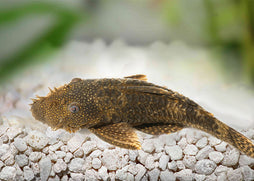
The Honeycomb Bristlenose Pleco L519 is a rare and highly attractive freshwater catfish prized for its intricate honeycomb patterning and excellent algae-grazing abilities. Native to South American river systems, this unique Bristlenose Pleco variety features a dark body covered with striking golden-yellow reticulated markings, creating an impressive visual contrast in planted and driftwood aquariums. Peaceful and hardy, the Honeycomb Bristlenose Pleco L519 is well suited to community aquariums and is a popular choice among aquarists seeking both functionality and standout appearance.
Features of Honeycomb Bristlenose Pleco L519
• Distinctive honeycomb-style body patterning
• Excellent algae-eating freshwater catfish
• Peaceful temperament ideal for community aquariums
• Grows to approximately 10–13 cm in length
• Hardy species suitable for beginner and experienced aquarists
• Active mostly during the evening and nighttime
• Males develop characteristic facial bristles as they mature
The best aquarium size for Honeycomb Bristlenose Pleco L519
A minimum aquarium size of 100 litres is recommended for Honeycomb Bristlenose Pleco L519. Larger aquariums with stable water parameters and ample hiding spaces will help this species thrive. Maintain water temperatures between 23–28°C with a pH range of 6.2–7.6. Moderate water flow and high oxygen levels are beneficial, especially in heavily stocked aquariums.
Tank Mate Compatibility for Honeycomb Bristlenose Pleco L519
Honeycomb Bristlenose Pleco L519 are peaceful and compatible with a wide variety of tropical freshwater fish. Suitable tank mates include:
• Angelfish
• Corydoras Catfish
• Neon Tetra
• Pearl Gourami
• Bolivian Ram
Avoid highly aggressive or overly territorial fish that may harass bottom-dwelling species.
Diet for Honeycomb Bristlenose Pleco L519
Honeycomb Bristlenose Pleco L519 are primarily herbivorous and require a balanced diet rich in vegetable matter. High-quality algae wafers and sinking pleco pellets should form the staple diet, supplemented with blanched zucchini, cucumber, spinach, and peas. Occasional protein-rich foods such as bloodworms or brine shrimp can be offered in moderation. Driftwood is also important as it provides natural grazing surfaces and aids digestion.
Aquarium Setup Honeycomb Bristlenose Pleco L519
Aquarium Filtration
Efficient biological filtration is essential for maintaining stable water quality and reducing organic waste buildup.
Aquarium Plants
Hardy plants such as Anubias, Java Fern, Amazon Sword, and Vallisneria work well alongside this species.
Aquarium Lighting
Moderate lighting is ideal and encourages natural algae growth for grazing.
Aquarium Heating
Use a reliable aquarium heater to maintain stable water temperatures between 23–28°C.
Aquarium Substrate
Fine gravel or smooth sand substrate is recommended to protect the fish while allowing natural foraging behaviour.
Aquarium Decorations
Include driftwood, caves, rock structures, and shaded hiding areas to create a secure environment and encourage natural behaviour.